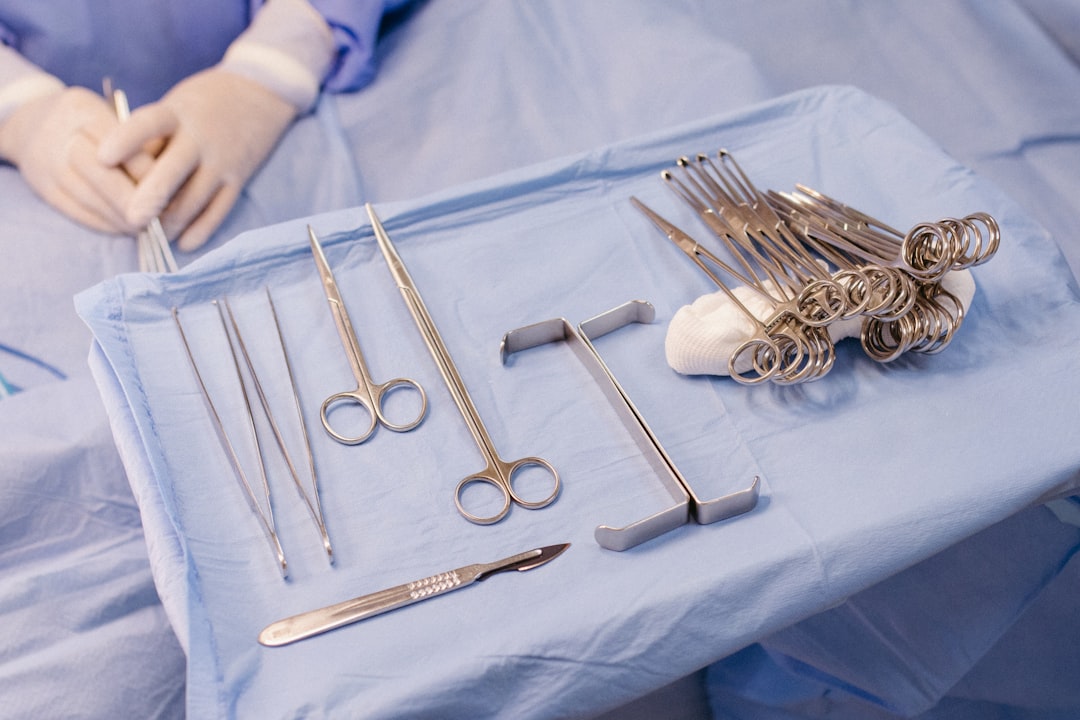
Key Developments in Emergency Medical Care Discussed by Dr. Kerry Evans
Emergency medical care has undergone a significant transformation in recent years, with advancements creating more efficient, patient-centric, and lifesaving systems. Dr. Kerry Evans has highlighted key developments reshaping how emergencies are handled, benefiting both healthcare providers and patients. This article outlines these innovations and their profound impact on emergency medicine.
Faster Response Times with Telemedicine
One of the most revolutionary changes in emergency medical care has been the widespread adoption of telemedicine. By integrating virtual consultations into emergency response protocols, healthcare providers can assess patient needs in real time even before first responders arrive on-site. This enhancement enables faster, more informed decision-making, ensuring critical time isn’t wasted.
The Benefits:
- Quicker Initial Assessments: Physicians can guide paramedics remotely, providing immediate advice and shaping treatment plans.
- Access to Specialists: Patients in remote or underserved areas can receive critical input from specialists, improving the accuracy of diagnoses.
- Minimized Overcrowding: By assessing and routing less urgent cases more efficiently, emergency rooms become decongested, allowing serious cases to receive undivided attention.
Telemedicine has proven to not only save lives but also support overburdened hospitals in optimizing their resources.
Advanced Diagnostic Tools Increasing Accuracy
Accurate diagnoses are critical in emergencies, and the rise of AI-assisted diagnostic tools has transformed emergency medical care. Dr. Kerry Evans emphasizes the powerful impact that cutting-edge imaging and decision-support technologies are having in delivering faster and more accurate results.
The Benefits:
- Enhanced Imaging: AI-driven radiology tools process scans and identify subtle abnormalities that the human eye might miss.
- Predictive Models: Artificial intelligence learns from historical data to predict complications or health outcomes, offering medical teams a clear advantage when devising treatment plans.
- Improved Triage Decisions: With diagnostic systems, the prioritization of patients based on their condition is more precise, ensuring that critical cases are addressed without delay.
These advancements allow physicians to provide better care under high-pressure conditions, increasing survival probabilities significantly.
Portable Medical Devices for On-the-Go Care
Portability in medical technology has also become a game-changer in how emergencies are managed. Compact, lightweight diagnostic, monitoring, and treatment devices empower emergency teams to administer care right on the spot.
The Benefits:
- Immediate Treatment: Tools like portable defibrillators or handheld ultrasound machines deliver urgent care even before reaching a hospital.
- Reduced Patient Risk: Early interventions prevent escalation in critical conditions, reducing risks and improving long-term recovery outcomes.
- Operational Flexibility: Healthcare workers can operate effectively in diverse environments, from urban centers to rural regions lacking full medical infrastructure.
These innovations enable patients to begin receiving medical attention moments after an emergency occurs, closing the gap between an accident or onset and professional care.
Data-Driven Emergency Response Systems
Real-time data collection and analysis have allowed for more agile and impactful responses to emergencies. Emergency networks are now deeply connected, and this flow of information leads to proactive and informed strategies.
The Benefits:
- Optimal Resource Allocation: Smart systems distribute ambulances, staff, and beds where they are needed most to avoid bottlenecks.
- Improved Outcomes: Critical care recommendations can be initiated based on patient data while they are en route to the hospital.
- Crisis Preparedness: Historical trends and analytics allow facilities to improve readiness for mass emergency situations, such as natural disasters.
This interconnected system ensures smoother coordination between field and facility teams, highlighting the importance of big data utilization in life-or-death scenarios.
The Future of Emergency Medical Care
Emergency medical care continues to evolve, driven by innovation and technological advancements. As these improvements become more widely adopted, patients can expect faster, more efficient, and higher-quality emergency responses. Dr. Kerry Evans underscores the importance of staying ahead of emerging trends to ensure that healthcare providers can continue to deliver exceptional and life-saving care in the face of new challenges.