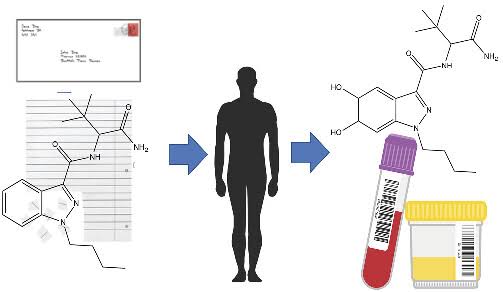
ADB-BUTINACA – What Research Reveals About This Novel Psychoactive Substance
Novel psychoactive substances continue to attract scientific attention because their chemical structures and biological effects can differ considerably from more established substances. Research concerning ADB-BUTINACA focuses on understanding its chemical identity, pharmacological activity, toxicological characteristics, and potential health implications. Because information about emerging synthetic cannabinoids can remain limited, careful interpretation of available evidence is particularly important.
Understanding ADB-BUTINACA
ADB-BUTINACA is a synthetic cannabinoid, meaning it is a laboratory-produced compound designed to interact with cannabinoid receptors. These receptors are involved in processes affecting the nervous system, mood, perception, coordination, and other physiological functions.
Synthetic cannabinoids can differ significantly in their activity and potency. Therefore, knowledge about one compound cannot automatically be applied to another. Chemical identification is an important first step in determining what substance has actually been encountered.
What Toxicological Research Examines
Toxicological research investigates how a substance interacts with biological systems and what effects may occur following exposure. For synthetic cannabinoids, researchers may examine receptor activity, metabolism, biological responses, and reported clinical effects.
Research into emerging compounds can be challenging because human data may be limited. Available information may come from laboratory experiments, analytical investigations, toxicology reports, or documented exposure cases. Each type of evidence provides useful information but also has limitations.
Potential Effects on the Body
Synthetic cannabinoids can affect the central nervous system and cardiovascular system. Depending on the compound and circumstances, exposure may be associated with altered perception, anxiety, agitation, confusion, dizziness, changes in heart rate, or changes in blood pressure.
More serious reactions can include seizures, severe behavioral disturbances, loss of consciousness, or other acute medical complications. The presence of additional substances can make symptoms more difficult to interpret.
Individual responses may also vary according to health status, exposure circumstances, other substances, and personal sensitivity.
Challenges in Studying Emerging Compounds
One challenge researchers face is the changing nature of novel psychoactive substances. New compounds may appear before sufficient toxicological information has been collected. This can create gaps in understanding their short-term and long-term effects.
Another difficulty involves accurately identifying substances in biological samples or seized materials. Similar compounds may require specialized analytical techniques to distinguish them reliably.
Importance of Laboratory Analysis
Laboratory analysis helps researchers establish chemical identity and investigate the presence of additional compounds. Advanced analytical methods can support forensic and toxicological investigations by distinguishing ADB-BUTINACA from structurally related substances.
Accurate identification can also improve interpretation of clinical or toxicological reports. Without reliable testing, it may be difficult to determine which compound contributed to observed effects.
Public Health Implications
The emergence of synthetic cannabinoids creates challenges for public health monitoring. Health professionals may encounter patients with unexpected symptoms while having limited information about the substance involved.
Improved surveillance, laboratory capabilities, toxicological research, and communication among health professionals can help identify emerging patterns. Public education can also emphasize that informal product names or descriptions do not guarantee a consistent chemical composition.
Recognizing Serious Exposure
Severe difficulty breathing, seizures, loss of consciousness, extreme confusion, serious chest discomfort, or dangerous behavioral changes should be treated as urgent medical concerns. Emergency medical assistance should be sought when severe symptoms develop after suspected exposure.
Healthcare professionals should receive any available information about the suspected substance, although treatment should not be delayed while waiting for definitive chemical identification.
Future Research
Further research can help clarify the pharmacological and toxicological characteristics of ADB-BUTINACA. Scientists may continue investigating receptor interactions, metabolism, biological effects, and documented cases of exposure.
Because evidence can evolve as new information becomes available, conclusions about emerging substances should be updated as stronger scientific data are produced.
Conclusion
Research into synthetic cannabinoids helps improve understanding of substances whose effects may be difficult to predict. ADB-BUTINACA remains important within this broader area of toxicological investigation because accurate identification and careful evaluation are essential for understanding potential risks. Continued laboratory research, clinical observation, analytical testing, and public health monitoring can contribute to a clearer understanding of this novel psychoactive substance.