Choosing the Right Clinic for Safe and Effective Dental Implants
Replacing missing teeth is not only about restoring appearance but also about protecting oral health, bite function, and long-term comfort. For many people considering dental implants in Dubai, the most important decision is not just the treatment itself but where that treatment is performed. Dental implants are a medical procedure that requires precision, planning, and experience. Choosing the right clinic plays a decisive role in how successful, safe, and durable the outcome will be.
This guide explains what patients should look for when selecting a clinic for dental implants, how modern implant care works, and why informed choices lead to better long-term results.
Understanding Dental Implants as a Medical Procedure
Dental implants are artificial tooth roots, typically made of titanium, that are surgically placed into the jawbone to support crowns, bridges, or dentures. Unlike removable solutions, implants integrate with the bone, creating a stable foundation that closely mimics natural teeth.
Because implants involve surgery, bone healing, and prosthetic restoration, the process requires careful coordination between diagnosis, surgical placement, and final restoration. This is why the clinic’s expertise, technology, and clinical protocols matter as much as the implant material itself.
A well-chosen clinic treats implant dentistry as a comprehensive medical service, not a cosmetic shortcut.
Why Clinic Selection Matters More Than Many Realize
Dental implants are designed to last many years, often decades, when placed correctly. However, poor planning or inexperienced execution can lead to complications such as implant failure, infection, nerve damage, or bone loss.
The right clinic reduces these risks by following evidence-based protocols, using advanced imaging, and ensuring proper case selection. Patients benefit not only from safer surgery but also from predictable healing and long-term stability.
Choosing a clinic should never be based solely on price or convenience. Safety, experience, and follow-up care are far more important.
Qualifications and Experience of the Dental Team
One of the first things to evaluate is the clinical team’s experience with implant dentistry. Dental implants require advanced training beyond general dentistry, particularly for complex cases involving bone loss or multiple missing teeth.
An experienced implant team understands how to assess bone quality, choose appropriate implant systems, and manage potential risks. They are also better equipped to handle complications if they arise. Clinics that regularly perform implant procedures tend to have more refined workflows and higher success rates.
Patients should feel confident that their care is being handled by professionals who specialize in implant treatment rather than offering it as an occasional service.
Diagnostic Technology and Treatment Planning
Modern dental implant care begins with accurate diagnosis and planning. Clinics that invest in advanced diagnostic tools provide safer and more precise treatment.
Key technologies often include digital X-rays and three-dimensional imaging, which allow dentists to visualize bone structure, nerve pathways, and sinus positioning. This information is essential for placing implants accurately and avoiding complications.
Digital planning also helps patients understand their treatment journey. Seeing a clear plan builds confidence and ensures that expectations are realistic from the start.
Personalized Treatment Rather Than One-Size-Fits-All
Every patient’s oral condition is different. Bone density, gum health, medical history, and bite alignment all influence implant success. A reliable clinic tailors treatment plans to the individual rather than applying a standard approach.
Personalized care may involve staged treatment, bone grafting, or specific implant designs based on clinical needs. Clinics that take time to evaluate and explain options demonstrate a commitment to patient safety and long-term outcomes.
Patients should expect thorough consultations rather than rushed decisions.
Hygiene Standards and Surgical Environment
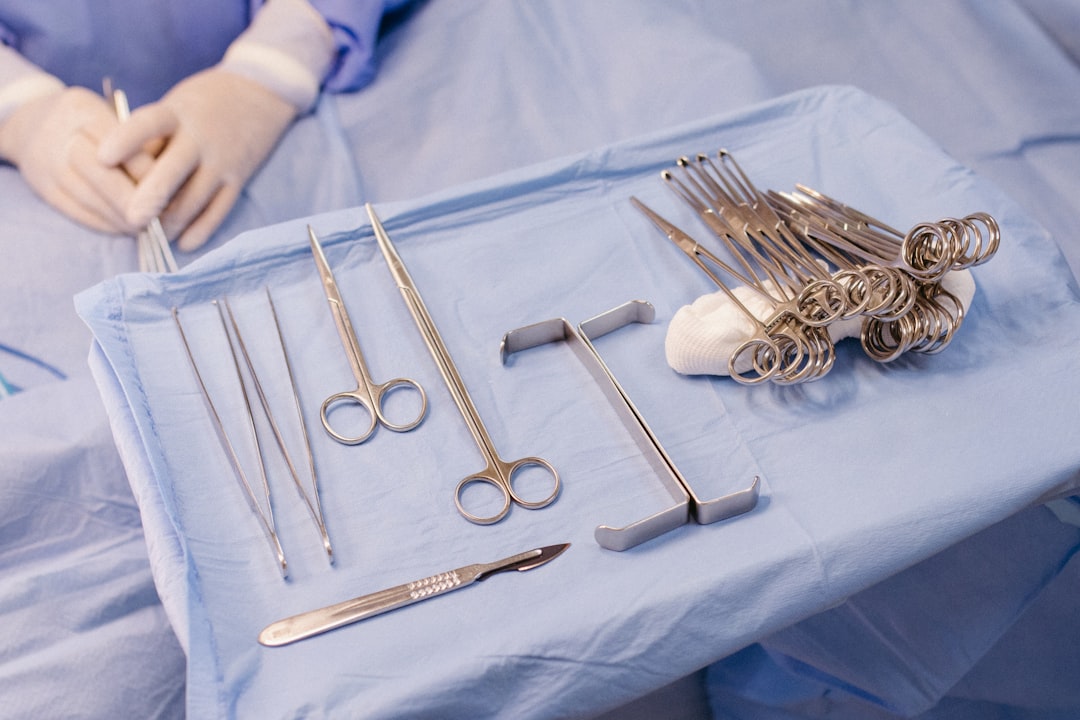
Dental implant surgery requires a controlled and sterile environment. Clinics should follow strict hygiene protocols comparable to minor surgical facilities.
Clean operating areas, sterilized instruments, and adherence to infection control guidelines are non-negotiable. These standards significantly reduce the risk of post-surgical infection and complications.
Patients should feel comfortable asking about hygiene practices and safety protocols. Transparency in this area reflects professionalism and accountability.
Aftercare, Monitoring, and Long-Term Support
Implant success does not end with surgery. Healing, integration, and restoration take time, and ongoing monitoring is essential.
A strong clinic provides structured aftercare, including follow-up appointments, healing assessments, and guidance on oral hygiene. Long-term support ensures that any issues are detected early and addressed promptly.
Implants are an investment in health, and proper follow-up protects that investment.
Cost Transparency and Ethical Communication
While cost is a valid concern, it should never come at the expense of safety. Clinics should provide clear explanations of pricing, what is included, and what may be required later.
Ethical clinics avoid vague estimates and unrealistic guarantees. Instead, they focus on transparency and education, allowing patients to make informed decisions without pressure.
Understanding value rather than just price helps patients avoid costly complications in the future.
Patient Comfort and Communication
Dental implant treatment can be intimidating for some patients. Clinics that prioritize patient comfort, clear communication, and emotional reassurance create a better overall experience.
From explaining procedures in simple terms to addressing anxiety and pain management, supportive care makes a meaningful difference. When patients feel heard and respected, treatment becomes less stressful and more collaborative.
Good communication is often a sign of a well-run clinic.
Long-Term Benefits of Choosing the Right Clinic
When dental implants are planned and placed correctly, they restore chewing function, support facial structure, and improve overall oral health. Proper implants also protect surrounding teeth and help prevent bone loss.
Choosing the right clinic increases the likelihood that these benefits will last for many years. It also reduces the need for corrective procedures, saving time, cost, and discomfort in the long run.
A thoughtful choice at the beginning leads to confidence later.
Summary
Dental implant treatment is a precise and medically significant procedure that demands experience, planning, and long-term care. From diagnostics and surgery to restoration and follow-up, every stage matters. Patients who take time to evaluate clinics carefully are more likely to achieve safe, durable, and satisfying results.
For those seeking a top dental clinic for implants, facilities such as Queens Medical Center align with modern standards of implant care. With advanced diagnostic technology, experienced dental professionals, and a patient-centered approach, Queens Medical Center provides implant treatment focused on safety, precision, and long-term success.