 11
11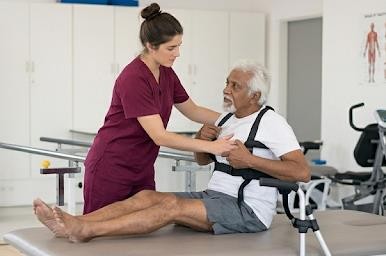
A paralysis attack most often caused by a stroke can change life in a matter of minutes. One moment everything feels normal, and the next, a person may be unable to move an arm, speak clearly, or even recognise what is happening. For families, this sudden shift creates panic and confusion.
In India, with nearly 1.8 million stroke cases every year, such emergencies are becoming increasingly common. Yet, what truly determines outcomes is not just medical intervention—but how quickly and correctly the situation is handled in the first few hours and the weeks that follow.
Because paralysis is not just an event. It is the beginning of a recovery journey.
The success of paralysis attack treatment starts with early identification. Most paralysis attacks are linked to stroke, and recognising symptoms quickly can save both life and function.
The FAST approach remains the simplest way to identify warning signs:
In addition, some patients may also experience sudden confusion, loss of balance, or blurred vision. These symptoms should never be ignored or observed passively. Even a short delay can increase the severity of long-term disability.
The first few hours after a paralysis attack are critical. Doctors often refer to this as the golden window, where timely medical care can significantly reduce brain damage.
During this phase, families should focus on quick, decisive action rather than home remedies or observation.
Immediate steps include:
If the patient reaches the hospital within 3–4.5 hours, certain treatments can restore blood flow to the brain. This can dramatically improve the chances of better paralysis recovery.
Many families assume that once the patient is stabilised, the major challenge is over. In reality, hospital care only addresses emergency problems. The real work begins after being discharged.
Patients often return home with:
This phase requires structured paralysis treatment, not just supportive care. Without the right approach, recovery can slow down or remain incomplete.
The first 90 days after a paralysis attack are the most important for recovery. During this period, the brain shows maximum ability to reorganise and form new neural connections.
This is why early stroke rehabilitation plays a critical role. It is not just about movement—it is about retraining the brain.
A strong rehabilitation plan focuses on:
Delaying or underutilising this phase—often due to reliance on basic home care—can limit longterm outcomes.
In India, bringing the patient home feels like the most natural decision. Families try their best to arrange physiotherapy and caregiving support. However, over time, certain limitations become evident.
Home-based recovery often lacks:
Typically, care at home is limited to one therapy session per day. But effective paralysis rehabilitation requires multiple, consistent interventions throughout the day. This gap often leads to slower progress and missed recovery potential.
Paralysis recovery is complex and cannot rely on isolated efforts. It needs a coordinated, multidisciplinary approach.
An effective plan usually includes:
When these elements work together, paralysis recovery becomes more structured, measurable, and effective.
Over time, families are beginning to recognise that recovery improves significantly in structured environments. Unlike home care, these setups are designed specifically for rehabilitation.
The key difference lies in consistency and supervision. Patients in structured programs benefit from:
This ensures that recovery is not left to chance. Instead, it follows a defined path, improving both speed and quality of outcomes.
A Care Home has evolved into a specialised recovery environment, especially for post-stroke and paralysis patients. It bridges the gap between hospital care and home care.
What makes it effective is the integration of services. Instead of fragmented support, patients receive coordinated care under one system.
This typically includes:
Such an environment significantly improves the effectiveness of paralysis treatment, particularly in the early recovery phase.
Many families explore a nearby rehab centre as a recovery option. While these centres can provide basic physiotherapy, they often lack the depth required for neurological recovery.
Smaller rehab centres may offer:
In contrast, established Care Home providers deliver:
This difference becomes crucial in ensuring long-term paralysis recovery.
In paralysis recovery, outcomes are driven less by proximity or cost and more by the consistency and quality of care. This is where established providers make a meaningful difference. They bring not just resources, but a system-driven approach that ensures every aspect of recovery is planned, monitored, and aligned with clinical best practices. Instead of relying on isolated efforts, care is delivered through a coordinated framework designed to maximise recovery potential.
Such providers typically offer:
This level of structured and disciplined care leads to more predictable, faster, and more complete recovery outcomes—something that fragmented or unstructured setups often struggle to achieve.
When Should You Move Beyond Home Care?
While home care may work in the initial stages, there comes a point when recovery demands more structured and consistent support. Many families notice that despite regular efforts, progress slows down or becomes inconsistent. This is often a sign that the recovery process needs closer supervision and a more coordinated approach.
Certain situations clearly indicate that it may be time to consider a Care Home or the best rehabilitation centre. These include:
When these challenges begin to appear, relying only on home care can limit recovery outcomes. Transitioning to a structured care environment at the right time ensures better clinical oversight, consistency in therapy, and ultimately improves the chances of faster and more complete recovery.
A paralysis attack is a medical emergency—but recovery is a long and structured journey.
What you do in the first few hours can save life. But what you do in the next few weeks determines how much of that life is restored.
Home care plays an important role, but it often lacks the structure needed for complete recovery. Professionally managed environments like Care Homes and the best rehabilitation centre setups provide the consistency, supervision, and expertise required for better outcomes.
Because in the end, paralysis recovery is not just about survival—it is about regaining independence and quality of life.