

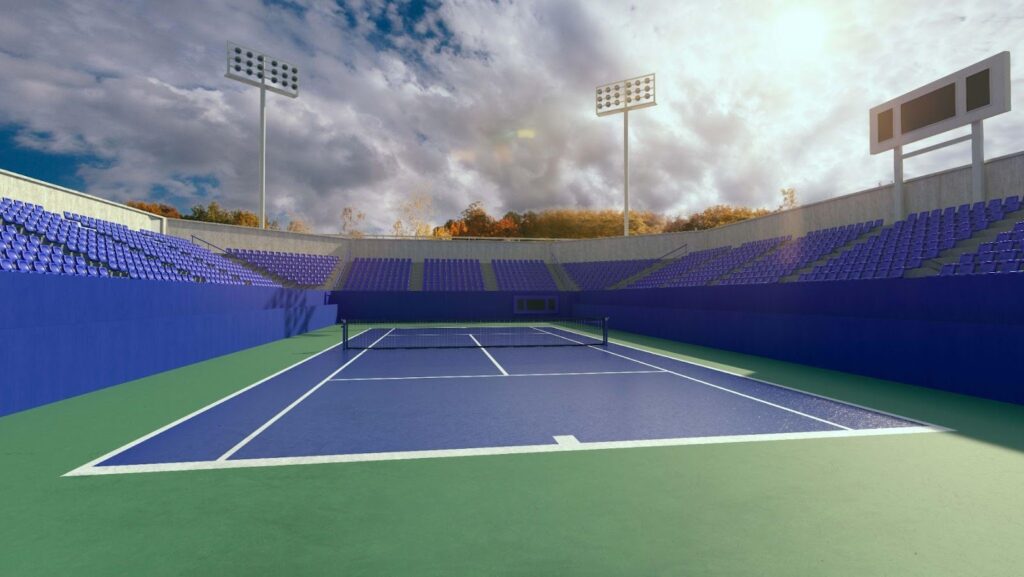
Padel has rapidly grown in popularity worldwide, offering a fun, fast-paced game that combines elements of tennis and squash. If you’re considering a private court at your home or club, understanding the installation process, costs, and options is crucial. Working with a reliable tennis court supplier ensures your project meets quality and safety standards while providing an optimal playing experience.
Installing a padel court requires careful planning, from selecting the right location and materials to adhering to international standards. Knowing what to expect helps you avoid common pitfalls and ensures your investment delivers long-term enjoyment.
Choosing the Right Location
Selecting an appropriate site for your court is the first step. Consider factors such as available space, sunlight, wind exposure, and accessibility. A flat surface is ideal to ensure proper drainage and even playing conditions. Your chosen tennis court supplier can conduct a site survey to assess suitability and recommend modifications if needed.
- Ensure enough space around the court for movement and spectators.
- Avoid areas prone to flooding or heavy water accumulation.
- Consider surrounding vegetation or structures that could interfere with play.
- Think about privacy: screening or fencing can minimize noise and provide a secluded experience.
Proper site selection not only enhances performance but also reduces future maintenance costs. Considering privacy and aesthetics at this stage ensures your court complements your property while maintaining an enjoyable environment.
Understanding Court Dimensions and Design
A standard padel court measures 10 meters by 20 meters, enclosed by walls that allow ball rebounds during play. Different designs, such as panoramic or challenger courts, offer unique aesthetics and spectator visibility. Choosing a design that complements your property and usage goals is essential.
- Super Panoramic Court: Sleek design with large glass walls, ideal for private residences or resorts.
- Challenger Court: Professional-grade structure used in tournaments, ensuring durability.
- Portable Court: Flexible solution for temporary setups or special events.
Additionally, courts may have varied wall heights or enclosure styles depending on available space or intended use. Your supplier can provide design recommendations based on your preferences, available space, and usage frequency.
Selecting Flooring and Wall Materials
Quality flooring and wall materials are critical for safety, durability, and performance. Common options include synthetic turf, acrylic surfaces, and tempered glass walls. Each material offers different levels of shock absorption, traction, and aesthetic appeal.
- Synthetic turf provides low-maintenance play with consistent bounce and weather resistance.
- Acrylic or cushioned flooring improves comfort and reduces injury risk during fast movements.
- Tempered glass walls enhance visibility and create a premium look for spectators.
- Steel or aluminum frames offer long-lasting structural support while resisting corrosion.
Choosing materials should factor in local weather conditions, maintenance capabilities, and expected usage. Discussing these choices with your tennis court supplier ensures your court meets both performance and durability requirements.
Cost Considerations
Installing a private padel court is a significant investment. Costs vary depending on design, materials, labor, and additional features such as lighting, seating, or fencing.
- Basic installation includes groundwork, flooring, walls, and nets.
- Premium options add lighting, panoramic glass, or automated irrigation systems.
- Long-term maintenance costs should also be factored into your budget.
Planning your budget carefully prevents overspending and ensures a budget that balances quality and affordability. Considering optional extras like seating or shade structures early can help you integrate them seamlessly into the overall design.
Lighting and Accessories
Proper lighting allows for evening play and enhances safety. LED lights are energy-efficient and provide uniform illumination. Additional accessories such as benches, ball racks, and net tensioners can improve convenience and gameplay.
- Ensure lighting is evenly distributed to prevent shadows on the court.
- Choose durable fixtures suitable for outdoor conditions.
- Accessories should complement court aesthetics without obstructing play.
- Consider automated lighting systems that adjust brightness according to the time of day.
A well-lit and accessorized court enhances usability and makes the space more inviting for family, friends, and guests.
Hiring Experienced Professionals
A professional installation team guarantees your court meets international standards for safety and performance. Experienced suppliers handle every step from site inspection to final construction, ensuring a seamless process.
- Professional guidance reduces the risk of structural issues.
- Quality control ensures durability and consistent playability.
- Maintenance advice extends the lifespan of your court.
Working with an expert tennis court supplier ensures a hassle-free experience and peace of mind.
Maintenance and Upkeep
Regular maintenance is essential to keep your court safe and enjoyable. Cleaning debris, inspecting surfaces, and checking nets and walls prevents wear and prolongs the life of your investment.
- Schedule routine inspections to identify early signs of damage.
- Clean synthetic turf or acrylic surfaces regularly.
- Check lighting, fences, and glass panels for safety and stability.
- Treat walls or frames with protective coatings to prevent rust or discoloration.
A proper maintenance plan ensures your private padel court remains in top condition for years.
Enhancing Player Experience
Consider features that improve comfort and enjoyment, such as seating areas, shaded zones, and water stations. Designing a court that accommodates both players and spectators enhances the overall experience.
- Provide shaded seating for relaxation between matches.
- Ensure safe and clear access paths to the court.
- Add storage areas for equipment and personal items.
- Include benches or small lounges for spectators or training sessions.
These small details make your private padel court more enjoyable and functional.
Legal and Zoning Considerations
Before starting construction, check local zoning regulations and obtain any necessary permits. Compliance with building codes and safety regulations is crucial to avoid fines or legal issues.
- Verify property setbacks and restrictions.
- Ensure proper drainage and environmental considerations.
- Consult your supplier for guidance on regulatory compliance.
Adhering to legal requirements ensures smooth construction and long-term usability.
Conclusion
Installing a private padel court requires careful planning, quality materials, and experienced professionals. By understanding the design, materials, lighting, maintenance, and legal requirements, you can create a court that provides years of enjoyment and enhances your property’s value.
If you are looking for a trusted partner to build your private padel court in USA, Padel Factory offers comprehensive design, construction, and maintenance solutions. With extensive experience and dedication to quality, they ensure every court meets international standards while providing an exceptional playing experience. Their expertise, innovative designs, and customer-focused approach make them a top choice for anyone seeking a durable and professional padel court.


